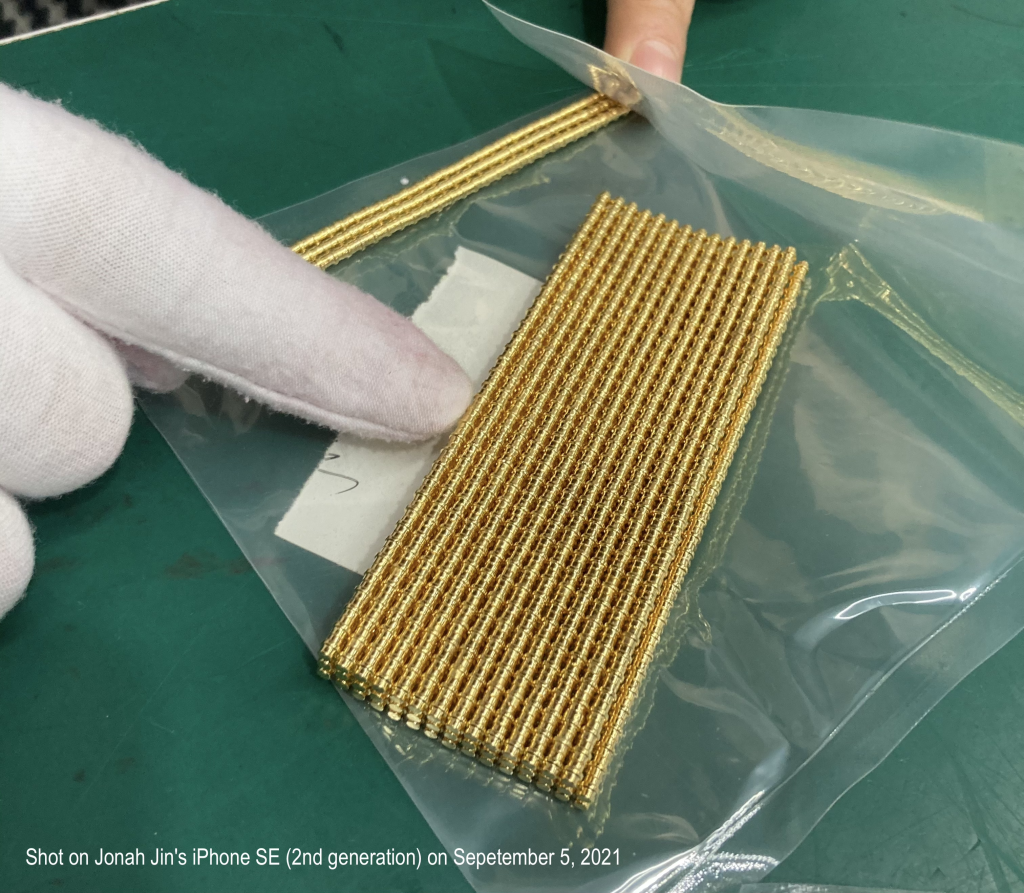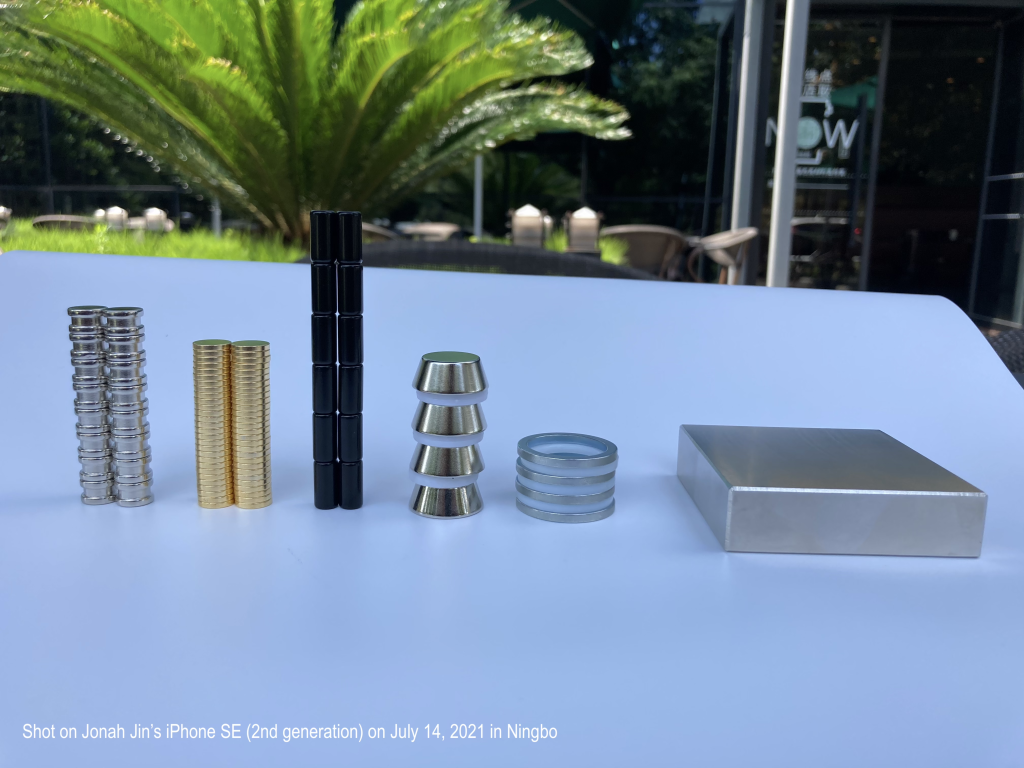
Behind-the-scenes Story
Back in 2020, I was surprised when I first learned that it’s possible to plate 24k gold onto neodymium magnets.
The product my customer was developing was designed for use on the human body, requiring an oval-shaped N52 neodymium magnet with a countersunk hole in the middle.
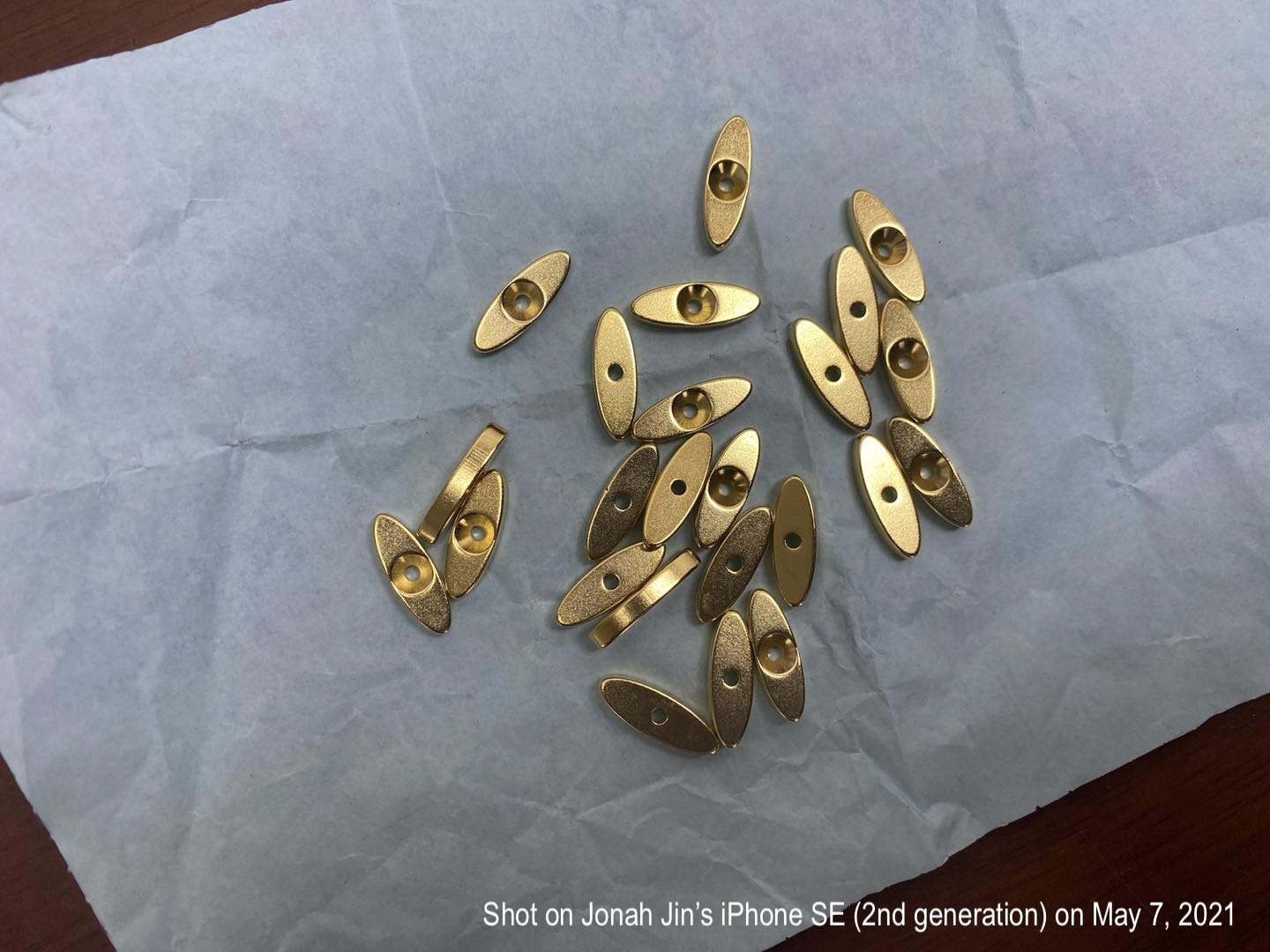
Click to view the blank image of this oval magnet, which has been cut using the EDM process.
What I’ve learned
The product designer (customer) believed that common nickel plating can cause allergic reactions on human skin. Instead, gold, being an inert metal, is considered compatible with human skin.
Later, I discovered that before plating with pure gold, a Nickel (NiCuNi) coating is still necessary because the neodymium magnet substrate is porous. Sufficient coating thickness is required to completely cover or coat it. Meanwhile, since gold is expensive, it should be applied as thinly as possible while still covering the entire surface. Therefore, the actual gold plating for neodymium magnets consists of four layers: Ni-Cu-Ni-Au. The gold coating thickness can range from 2 μm to thicker options, with increased cost due to the gold price.
Gold plating is also required for other applications such as medical devices, electronics, magnetic jewelry, etc.